信息图表 / PROMPT
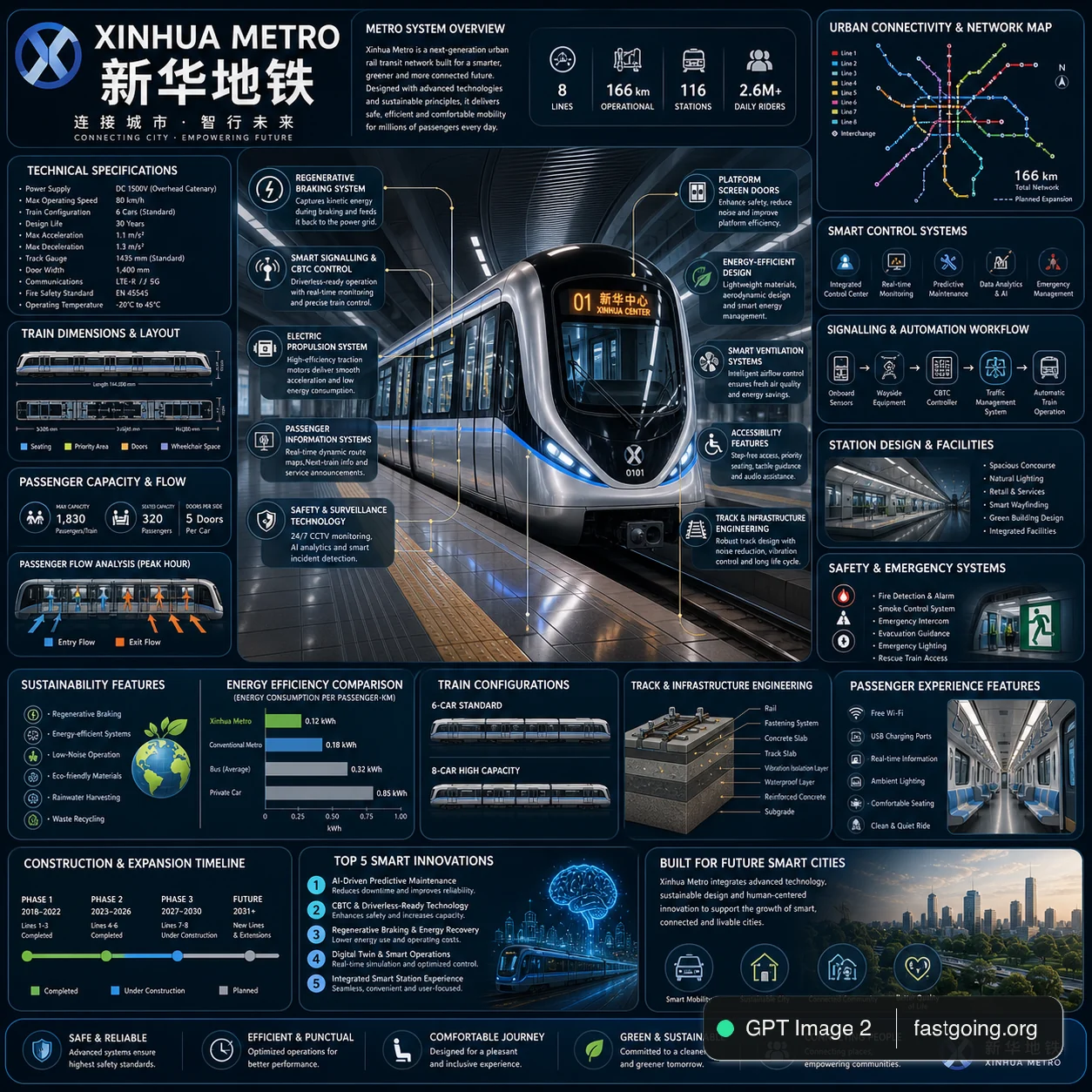
现代地铁工程信息图
从公开案例收录的信息图表提示词,适合参考其画面结构、风格控制和细节描述。
适用模型GPT Image 2
已实测灵感来源于 awesome-gpt-image-2 案例 447;当前提示词与效果图由 Fastgoing 使用 GPT Image 2 实测重新制作。
完整提示词COPY / USE
Create a premium square “reference-style urban transportation infographic” centered around a futuristic modern metro system called the {METRO_NAME}, designed as a beautifully curated transit-engineering handbook page rather than a public transport advertisement.

The composition should feel like a modern visual encyclopedia mixed with an elite railway infrastructure field guide and high-end editorial infographic system.

Visual Direction:

• 1:1 square composition
• Dark premium urban-tech background with subtle railway schematics, metro maps, and futuristic blueprint overlays
• Elegant palette using deep navy, matte black, steel gray, electric blue accents, and soft white lighting
• Refined editorial typography hierarchy with modern transportation aesthetics
• Rounded modular information cards with clean spacing
• Gentle realistic reflections and premium HUD-style dividers
• Minimal transit-system iconography
• Extremely detailed central metro train render viewed in dramatic three-quarter perspective inside a futuristic underground station
• Thin precision annotation lines pointing toward transportation systems and smart engineering features
• Clean, organized “knowledge-first” layout with high information density but breathable spacing

Main Subject Presentation:

A stunning ultra-detailed realistic render of the {METRO_NAME} modern metro train placed at the center, featuring sleek aerodynamic train design, glowing destination displays, realistic stainless-steel textures, illuminated station lighting, smart glass windows, premium urban-environment realism, and futuristic rail infrastructure.

Surround the metro with scientific and engineering callouts explaining:

• regenerative braking system
• smart signalling & CBTC control
• electric propulsion system
• passenger information systems
• safety and surveillance technology
• platform screen doors
• energy-efficient design
• smart ventilation systems
• accessibility features
• track and infrastructure engineering

Include modular infographic sections such as:

• Metro System Overview
• Technical Specifications
• Train Dimensions & Layout
• Passenger Capacity & Flow
• Smart Control Systems
• Sustainability Features
• Track & Infrastructure Engineering
• Signalling & Automation
• Station Design & Facilities
• Safety & Emergency Systems
• Passenger Experience Features
• Urban Connectivity & Network Map
• Energy Efficiency Comparison
• Construction & Expansion Timeline
• “Top 5 Smart Innovations” section
• Built for Future Smart Cities

Add small premium visualization modules like:

• metro network maps
• train blueprint diagrams
• station layout graphics
• passenger flow visualizations
• signalling workflow diagrams
• energy-efficiency comparison charts
• train configuration illustrations
• smart-city connectivity graphics
• platform safety diagrams
• infrastructure cross-section visuals

Style Keywords:

“premium urban mobility encyclopedia”
“editorial metro engineering handbook”
“high-end transportation infographic”
“scientific railway infrastructure poster”
“museum-quality transit reference page”
“modular smart-city knowledge system”
“clean transportation editorial design”
“ultra-detailed metro visualization”

Avoid:

• cluttered public advertisement aesthetics
• cartoon transportation styling
• unrealistic sci-fi levitating trains
• excessive cyberpunk neon overload
• chaotic city scenes
• generic subway poster layouts

The final result should resemble a professionally published railway infrastructure reference-book page created for transit enthusiasts, architects, engineers, urban planners, transportation designers, and educational infrastructure archives.复制后,可参考下方“建议替换”项目改成你的主题;带【方括号】的内容请优先替换。
PROVENANCE / 来源与验证
它从哪里来,是否完成实测?
灵感来源于 awesome-gpt-image-2 案例 447;当前提示词与效果图由 Fastgoing 使用 GPT Image 2 实测重新制作。
GPT Image 2 · 2026-08-18 实测HOW TO USE
不用学提示词工程,也能改成自己的。
建议替换
01【讲解主题】02【信息模块】03【视觉层级】04【标注语言】使用小贴士
先只替换变量跑一次,观察最不符合预期的部分;第二轮只补充那一项约束,通常比一次塞进很多要求更稳定。